
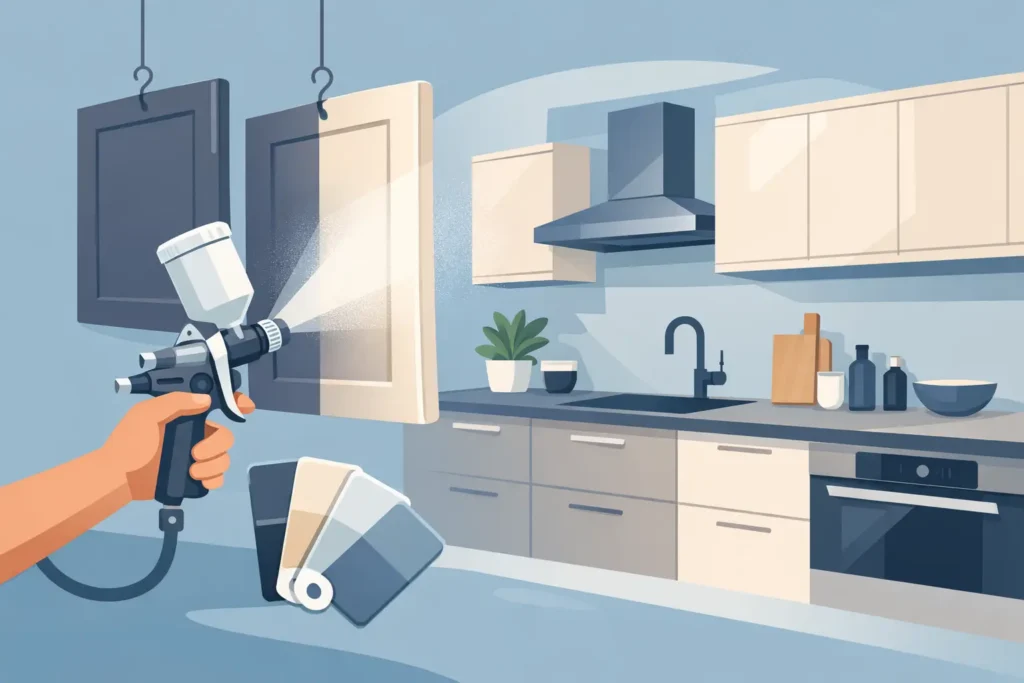
A kitchen can feel dated long before it stops working. Cabinet doors may be sound but trapped in an old colour scheme, while scratches, worn edges and tired finishes can make the whole room look neglected. A Hull kitchen respray offers a considered way to change that, giving existing cabinets a refined, factory-quality appearance without the upheaval of removing a functional kitchen.
For homeowners, landlords and property professionals, the appeal is not simply a new colour. Professional spray finishing is about creating a durable, even finish that makes the kitchen feel deliberately redesigned. It is a practical alternative when the layout works, the units are structurally in good condition and the aim is to achieve a more contemporary, high-end result.
When a Hull kitchen respray is the right choice
A respray is particularly effective when the cabinet carcasses, doors and drawer fronts remain solid, but their appearance no longer suits the property. Perhaps glossy cream units feel too traditional, dark wood-effect doors absorb the light, or a previous painted finish has chipped and become difficult to clean. Rather than replacing usable cabinetry, a professional respray can transform its visible surfaces in a chosen colour and sheen.
This approach also makes sense where disruption needs to be managed carefully. Full kitchen replacement often involves multiple trades, removal work, delivery schedules and the possibility of unexpected issues once units are taken out. Respraying retains the existing layout and focuses on renewing what is already there. For occupied homes, rental properties and commercial spaces, that can be a significant advantage.
It does depend on the condition of the kitchen. Swollen chipboard, severe water damage, failing hinges or cabinets that are no longer fit for purpose may need repair or replacement work before refinishing is considered. Honest assessment matters. A premium finish can elevate good, stable surfaces, but it cannot turn unsuitable materials into sound cabinetry.
What makes a professional kitchen respray different
The visible colour is the final stage, not the whole job. Long-lasting results begin with methodical preparation, because kitchen doors and panels collect grease, cleaning residues and everyday wear that can compromise adhesion if they are not dealt with correctly.
Surfaces are carefully cleaned, degreased, prepared and masked before specialist coatings are applied. Imperfections such as minor chips or surface marks can be addressed during the preparation stage where appropriate. Doors, drawer fronts, end panels, plinths and surrounding elements are considered as one scheme, so the finished kitchen looks cohesive rather than partially updated.
Spray application produces a smooth, consistent coating without the brush marks associated with hand painting. It is especially valuable on detailed doors, shaker profiles and larger panels where an even finish makes the difference between a refresh and a truly transformed kitchen. The goal is a refined appearance that feels at home alongside new worktops, lighting or flooring, not a finish that looks like a temporary cover-up.
At Spray Granite Specialists, over 22 years of professional spray finishing experience informs every stage, from surface assessment and preparation through to colour selection and final quality checks. That experience is important because kitchen materials vary widely. MDF, laminate, vinyl-wrapped doors, timber and previously painted surfaces each require the right preparation and coating system.
Choosing colours and finishes that will last stylistically
Colour has a powerful effect on how a kitchen feels. Soft whites, warm neutrals and pale greys can brighten smaller kitchens and work well with natural timber, stone-look worktops and brushed metal details. Deep greens, charcoal and rich blue-grey tones can create a more dramatic, tailored look, particularly where there is good natural light or contrasting pale worktops.
There is no single best choice. A darker matt finish can look striking but may show dust, fingerprints or light marks more readily in busy family kitchens. A soft satin sheen often offers an excellent balance: it reflects enough light to lift the room while remaining more forgiving in day-to-day use. Higher-sheen finishes can suit a contemporary scheme, although they tend to reveal surface imperfections more clearly, which makes careful preparation even more important.
Bespoke colour matching can be useful where a kitchen needs to complement an existing splashback, flooring, feature wall or brand palette in a commercial setting. It also allows property owners to create a coordinated result without feeling limited to the original cabinet manufacturer’s range.
More than cabinet doors: planning a complete transformation
The strongest kitchen updates consider the room as a whole. Cabinet respraying may be the main change, yet worktops, tiles, splashbacks and hardware influence the final impression just as much. Keeping the existing handles can preserve a familiar style, while new handles can introduce a more modern line at relatively little disruption. The right decision depends on whether the aim is subtle refinement or a clear change of character.
Where worktops are structurally sound but visually dated, professional spray granite worktop resurfacing can complement newly sprayed cabinetry. This creates an opportunity to bring several tired surfaces into one considered design direction rather than replacing items individually and hoping they work together. Suitable tiles, splashbacks and selected decorative surfaces can also be refinished, allowing a kitchen to feel more complete without unnecessary removal work.
Not every element should automatically be sprayed. Areas with damage beyond repair, failing seals, unsuitable movement or poor underlying condition should be identified at consultation stage. A trustworthy specialist will discuss what is realistic for the surface, the expected appearance and the best route to a durable result.
Living with a resprayed kitchen
A professionally refinished kitchen is designed for normal household use, but a little sensible care helps preserve its appearance. Once the coating has fully cured, regular cleaning with a soft cloth and mild, non-abrasive products is usually all that is needed. Harsh scouring pads, abrasive powders and aggressive solvents can dull or damage many decorative finishes, whether they are sprayed, painted or factory applied.
It is also wise to deal with spills promptly, particularly around sinks, kettles and cooking areas. Good extraction, sound seals and sensible ventilation reduce the build-up of moisture and grease that affects every kitchen over time. These are straightforward habits, but they make a noticeable difference to how well surfaces continue to look.
The practical benefit is a kitchen that is easier to enjoy and easier to present. For a homeowner, that may mean a room that finally matches the rest of a renovation. For a landlord or developer, it can mean improving the appeal of a property without committing to a full strip-out. For commercial settings, it can offer an attractive update while helping to keep downtime manageable.
The value lies in keeping what still works
A kitchen respray is not about pretending an old kitchen is new. It is about recognising the value in well-made, usable units and giving them an appearance that suits the property now. When the layout remains practical and the surfaces are appropriate for refinishing, restoration can reduce waste, avoid much of the disruption of replacement and deliver a noticeably more luxurious space.
For anyone considering a Hull kitchen respray, the best starting point is a professional assessment of the cabinets and a clear conversation about colour, finish and the surrounding surfaces. The right finish should feel considered from the first glance and continue to earn its place through everyday use.